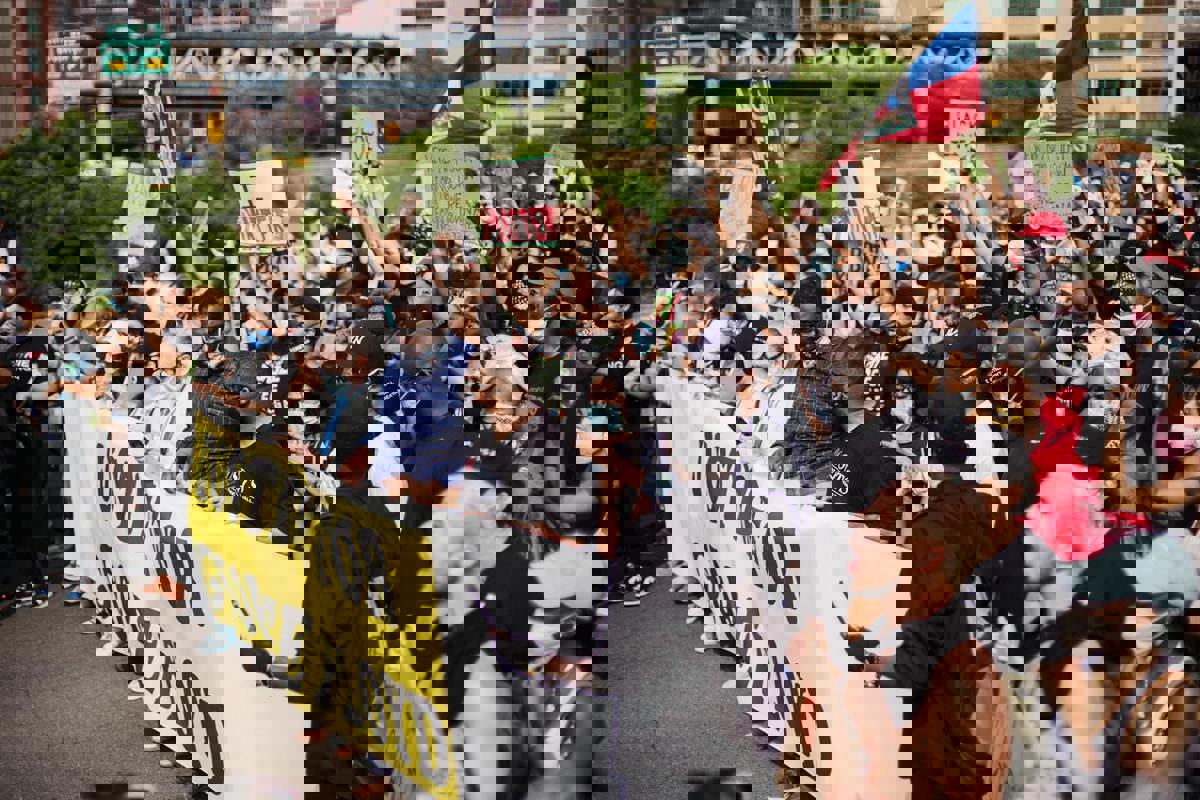
On a brisk afternoon, a chorus of voices echoed through downtown streets as gig economy workers—predominantly food couriers and ride-hailing drivers—gathered to demand paid sick days and bolstered workplace protections. Their collective action highlights growing concerns about instability in gig roles, amplified by stories of couriers forced to work while ill due to fears of lost wages. The demonstration drew a diverse crowd, each with personal stakes in the fight for fair treatment.
The rally, organized by a coalition of grassroots groups and labour advocates, comes after months of mounting frustration. Supporters argue that gig workers make essential contributions to the city’s daily rhythms, delivering meals, groceries, and passengers reliably—even during inclement weather and health crises. They stress that despite their central role, many workers remain excluded from basic employment protections that other sectors take for granted.
According to Statistics Canada, over 10 percent of Canadian workers participate in gig economy jobs, a figure that has surged in recent years. Many of these individuals are newcomers and students drawn to the promise of flexible work. However, this flexibility often comes at the expense of reliable income and access to paid sick leave, making it difficult for workers to balance their health and financial wellbeing.
One food courier, Maria Lopez, spoke at the rally, sharing her experience of continuing to deliver meals despite suffering from a severe cold. "I felt terrible, but I couldn't afford to take a day off," she recounted. "There’s no safety net for us. If we don’t work, we don’t earn. We’re forced to choose between our health and our livelihood." Her words resonated with many in attendance.
Legal experts say the lack of paid sick days for gig workers creates a public health risk, especially during periods of contagious illness. Dr. Samantha Chu, a labour policy researcher, explained, “When food couriers and drivers feel pressured to work while sick, the broader community is put at risk. Paid sick days are not just a worker’s right; they’re a public health necessity.”
Platform companies like Uber, DoorDash, and SkipTheDishes have defended their business models by emphasizing the independence they offer. However, critics argue that this independence is a double-edged sword, often masking inadequate worker protections. While some companies introduced limited pandemic-related benefits, these were temporary and fell short of what labour organizers consider essential for long-term worker well-being.
During the rally, protestors waved signs and chanted slogans emphasizing their key demands: a minimum of ten employer-paid sick days per year, predictable scheduling, and transparent pay structures. These requests are part of a broader movement to update labour standards for the realities of app-based work in the modern economy. Many attendees expressed hope that collective action will spur legislative changes.
In response to mounting pressure, some provincial policymakers have begun exploring reforms. Earlier this year, Ontario’s labour ministry launched consultations on the working conditions of gig-based employees. Although these discussions are ongoing, advocates are urging the government to act quickly. They argue that any delay perpetuates the vulnerability of workers who regularly risk their health and stability.
Not all voices are in agreement, however. Representatives from gig platforms argue that mandatory paid sick days could reduce worker flexibility and increase operational costs, potentially translating into higher prices for consumers. "Finding a balance is critical," said David Nelson, a public affairs manager for a major food delivery company. "We support our workers but need to ensure our model remains sustainable for everyone involved."
Academic studies analyzing gig platforms have repeatedly found significant gaps in worker protections. A recent report from the Canadian Centre for Policy Alternatives indicated gig workers were twice as likely as traditional employees to work through illness or injury. The report recommends comprehensive provincial legislation to close loopholes and ensure platform-based workers receive basic employment standards, including paid sick leave.
For rally participants, however, the issue extends far beyond economics and statistics. "This is about dignity," explained cab driver and organizer Yusef Mohammed. "We serve our community day and night. All we’re asking for is the same respect and protections offered to other workers. Until we get that, we’ll keep raising our voices." His impassioned statement drew applause from the crowd, underscoring the deep sense of unity among attendees.
As the rally concluded, organizers pledged to maintain pressure on both platform companies and policymakers. They plan to collect signatures, conduct meetings with legislators, and continue public outreach in the coming weeks. For gig economy workers across the country, the march for paid sick days is not merely an expression of dissatisfaction—it represents a crucial step toward safeguarding their health, security, and dignity in an evolving job landscape.