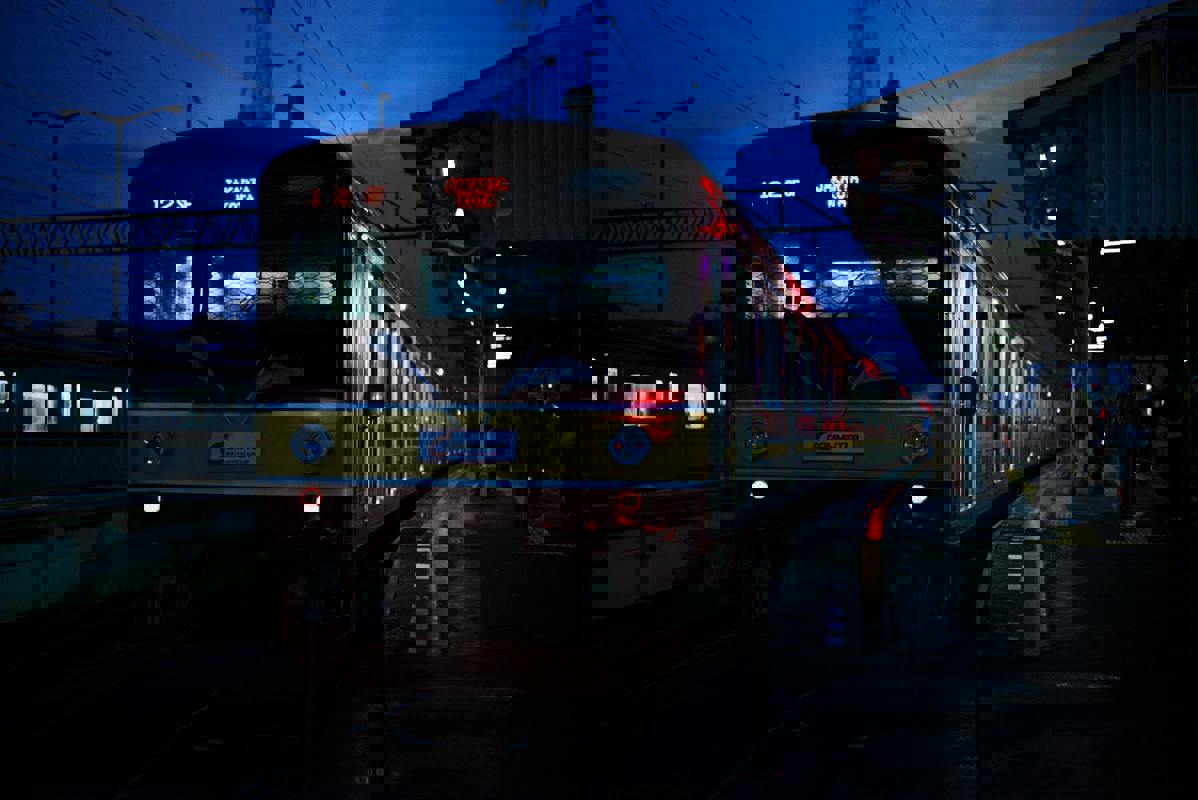
Commuters were met with unexpected chaos on Wednesday morning when a major downtown train line suffered a sudden power failure just as rush hour was beginning. The outage, which began at approximately 7:20 a.m., forced all trains to come to a standstill between several key stations. Thousands of passengers found themselves stuck on platforms and inside trains, with no clear indication of when service would resume. The disruption sent ripples across the city’s broader transportation network, resulting in frustration for many.
Transit authorities confirmed that the failure was caused by a malfunction in an electrical substation supplying power to the network. According to officials, the equipment failure triggered safety systems designed to halt train movement immediately. "We prioritize the safety of our riders, so automated protocols kicked in the moment our sensors detected an abnormality," explained Mark Hughes, spokesperson for the transit agency. He noted that crews were dispatched immediately to assess the situation and begin repairs.
Passengers caught in the outage recounted lengthy waits and a lack of information as they tried to navigate the unfolding crisis. Jane Dalton, who relies on the line for her daily commute, described the scene: “People were anxious, some were crowding around information boards, but for the first hour, there weren’t any details coming through." Many riders resorted to phone apps and social media to seek updates, but information lagged behind the reality on the ground.
The effects of the outage extended beyond the train stations. Bus routes quickly became congested as the transit authority deployed shuttle services to bridge the gap along the disabled rail line. Traffic in adjacent downtown corridors swelled as some commuters called rideshares or drove personal vehicles. The city’s traffic monitoring centre reported a 30% spike in volume on routes parallel to the affected train line during the morning hours.
Transit officials provided updates throughout the morning as engineers worked to restore service. It was not until shortly after 10:30 a.m. that partial service resumed, with full operations restored by noon. The agency issued an official apology for the inconvenience, assuring riders that every effort was made to shorten the delay. "We are grateful for our riders' patience and for the hard work of our staff on the ground," Hughes said at a midday press conference.
An estimated 25,000 commuters were directly affected by the service disruption, according to preliminary figures released by the transit authority. Local businesses reported late arrivals and reduced foot traffic during the morning period, with some citing missed appointments or delayed deliveries. The economic impact, though difficult to quantify immediately, is expected to be notable given the concentration of workers dependent on downtown train access.
Public reaction to the outage was swift, with many demanding better infrastructure resilience and more effective communication during transit emergencies. Social media channels were awash with complaints and suggestions. “This isn’t the first time we’ve faced delays, but the lack of real-time updates makes it harder," tweeted commuter Alex Remy. Transit advocacy groups echoed calls for investment aimed at preventing future disruptions.
In response, the transit agency has launched an internal review to determine the root cause of the malfunction and avoid recurrence. Early indications suggest that aging electrical components may have contributed to the failure. Officials promised transparency throughout the review process and committed to implementing any recommended upgrades. The agency also plans to revisit its communication protocols to provide more timely updates in future emergencies.
Moving forward, officials say they will collaborate closely with city planners and infrastructure experts to develop contingency plans and improve system reliability. "It’s vital that our transit network can respond to unexpected challenges while keeping riders informed every step of the way," Hughes stated. As the city recovers from the morning’s disruption, focus shifts to long-term solutions, ensuring commuters can rely on swift, safe, and efficient train service no matter the circumstance.